

Start from 1.
Self-centered design.

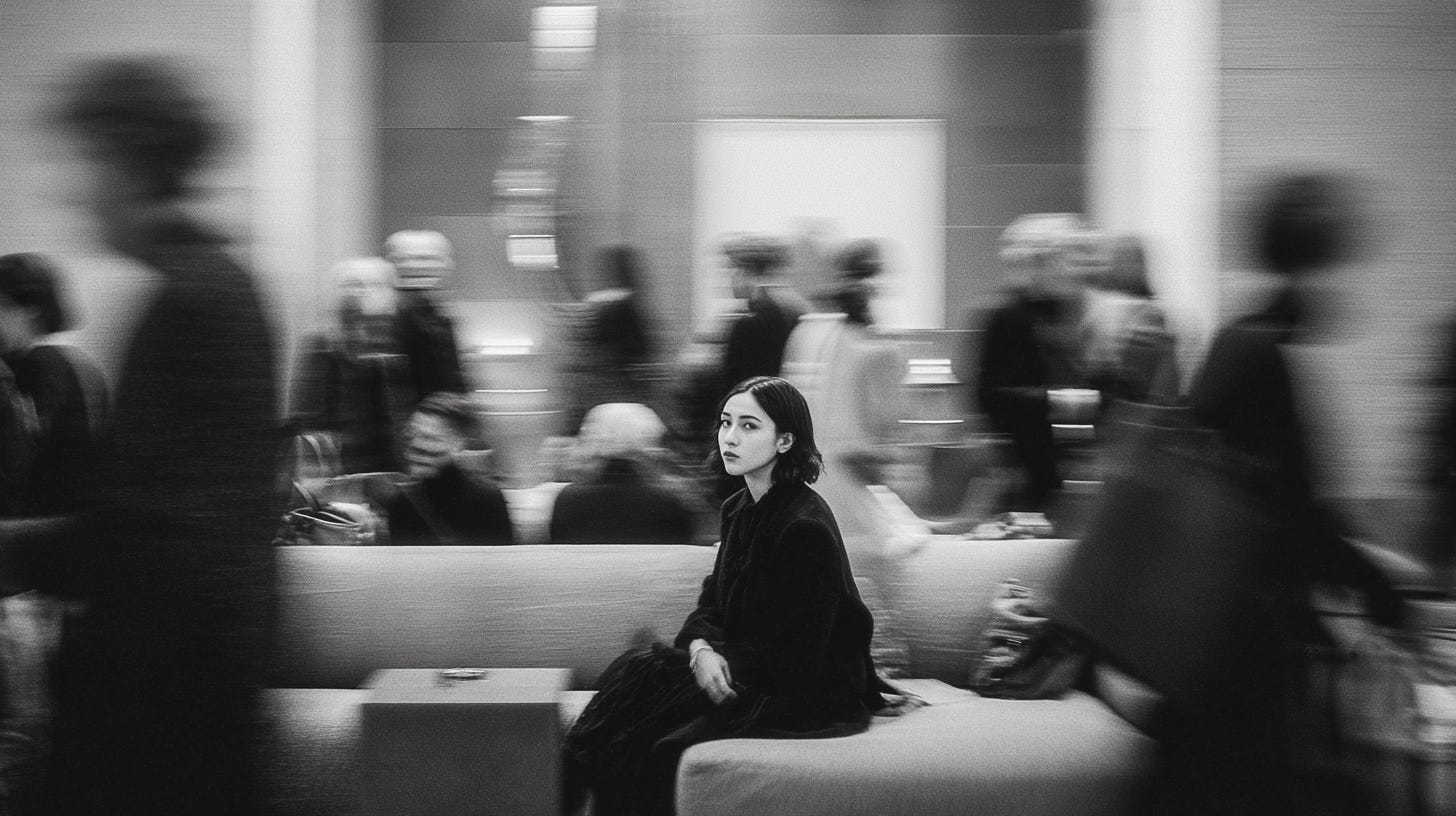
The products that work—the ones that feel uncannily right—are designed for the individual-first.
For a single body, set of hands and sequence of use.
Some examples:
East Fork mugs are perfectly ergonomic for a hefty hold.
Leica dials turn with just enough resistance to register intent.
Lamy pens have grip sections dimensioned for long writing sessions.
Snow Peak jackets include small easy to zip pockets for chapsticks and keys.
Braun controls have visual hierarchies that mirror functional hierarchy.
These brands engineer experiences by understanding how individuals actually move through the world.
And they do something critical: they defer the end game — mass marketing, winning at the shelf, appealing to big institutions — in favor of getting the user experience right first.
These products are designed to be felt, seen, heard and understood by one person at a time.
They make immediate sense to the body using them:
The weight feels right in your hand
The resistance matches your intent
The grip supports your posture
Each experience is anchored in how a real person will actually experience it.
That’s why these products feel personal.
They speak to you.
They start with 1.
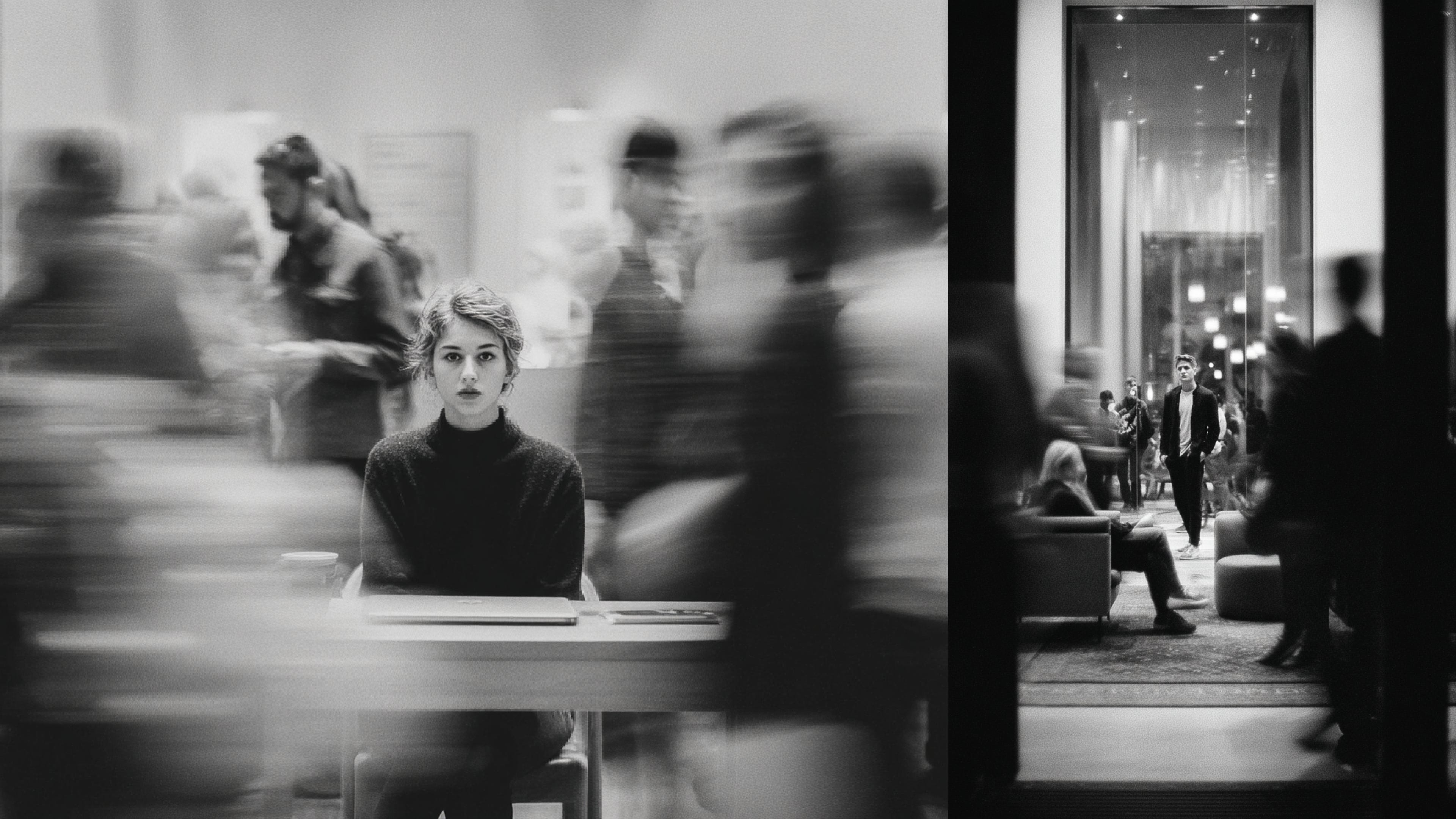
Commercial real estate does the opposite. MOST CRE design works backward; from the blur of the masses down to the individual.
CRE assumes:
❌ We arrive as a group
→ Everyone comes from somewhere different (physically, emotionally, cognitively).
❌ We experience space collectively
→ Everyone experiences space through a personal lens, shaped by physical and emotional factors.
❌ We want to share
→ Most people actively avoid interacting with strangers and immediately carve out personal territory.
❌ We want to be seen
→ A lot of the time, people want to be anonymous.
❌ We don’t feel ownership over temporary, borrowed or rented space.
→ The spaces we occupy are just as much part of our identities as the brands we buy.
The problem is we design from the broadest possible perspective and work our way down to the user…if we ever get there at all.
We build big hulking rooms with giant open layouts and oversized tables, because we – the placemakers – are focused on the forest, not the trees.
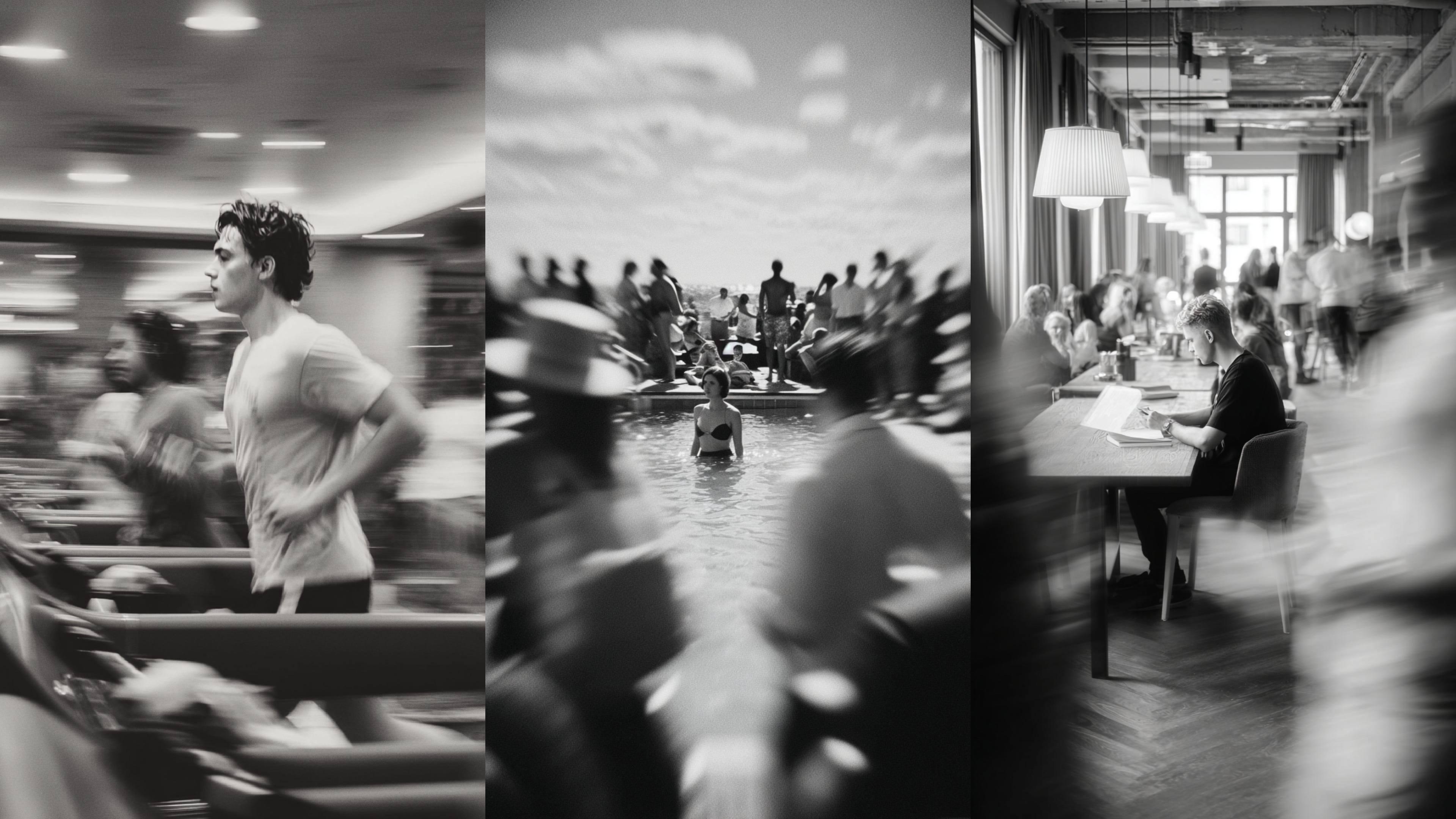
Think about it honestly.
A 12-person conference room? Used by one person, most of the time.
A breakout cardio room in a residential building? Occupied by one person wearing headphones, hoping no one else comes in.
A coworking lounge or amenity deck? Filled with people carving out invisible personal bubbles inside a large, exposed volume.
A multifamily lobby? Residents asking themselves: how fast can I pick up my uber eats without someone noticing the stains on my sweatshirt?
We keep designing as if togetherness is the default, but individualism is the reality.
And guess what? Individualism is an actual luxury:
Your own space on an airplane
Your own cabana at the pool
Your own office
Your own terrace
Your own thermostat
Your own … You name it.
“Your own” is shorthand for a sense of worth.
Until CRE starts designing from that truth, our spaces will continue to feel oversized, overexposed, impersonal, corporate and strangely uncomfortable.
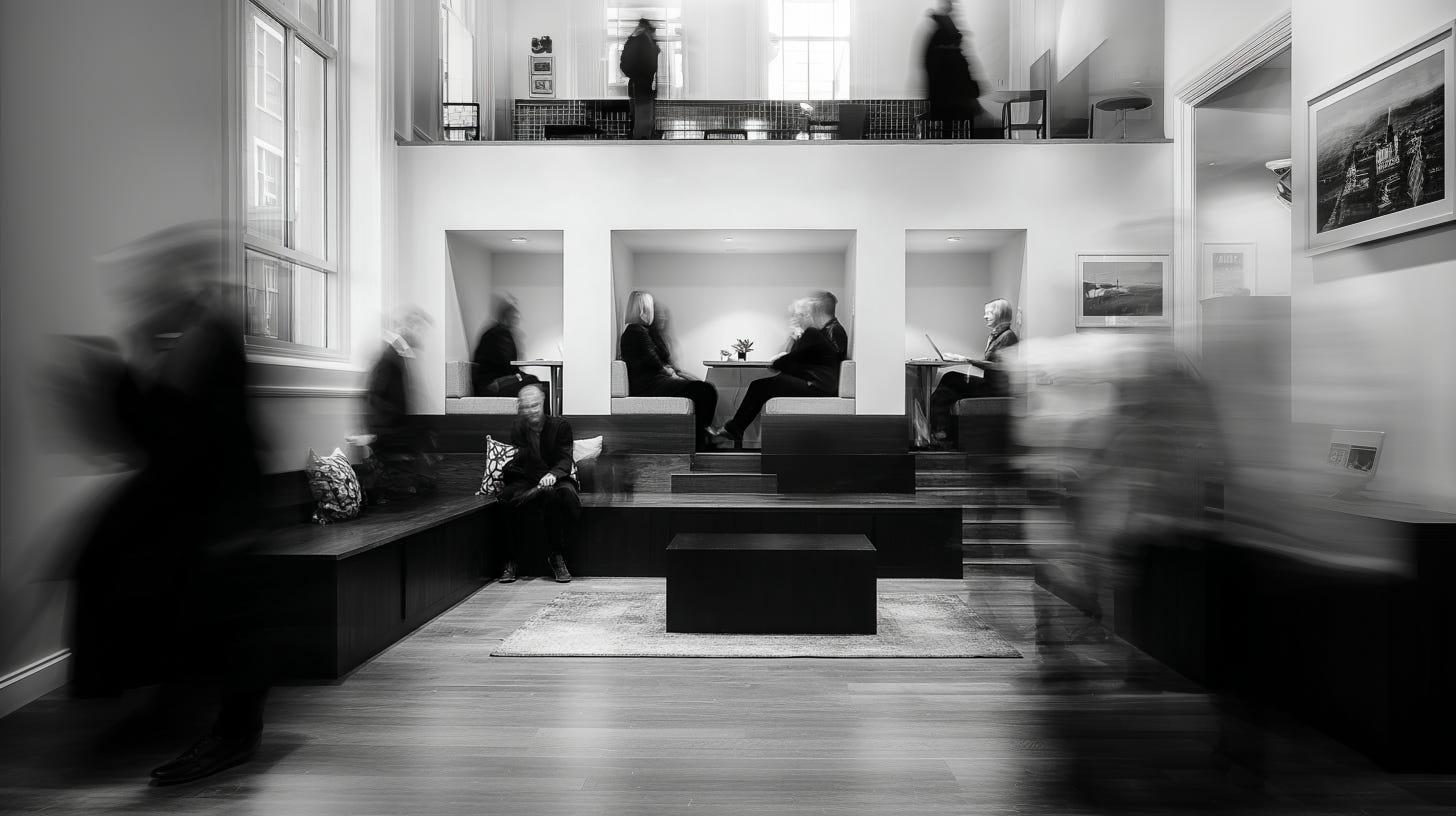
Here’s how you start with 1.
Design for extra avoidance. Create seating, circulation and layouts that don’t force awkward contact – especially in vulnerable spaces like lobbies, gyms, elevators and lounges.
Replace big shared moments with many small moments of control. Incorporate personal lighting zones, acoustic and visual buffers and places to hangout without feeling on display.
Let people claim space. Design corners, edges, thresholds and niches that feel easily ownable.
Empower personalization. Allow users to adjust lighting, temperature, sound, poster and privacy without asking permission.
Build at human scale. Prioritize propositions, heights, and distances that feel right to a single body – not the summary number on your spreadsheet.
Why go this far?
Because when spaces feel individual, people relax. When people relax, they stay longer. They treat the space better. They return to it.
Individualistic design is about comfort, control, and familiarity. And those things drive real outcomes: higher usage, longer tenure, better care, and stronger attachment.
If a space doesn’t feel like it belongs to someone, it belongs to no one.
Start with 1 and watch everyone stick around.

Missed our last article? Read it now.

Missed our feature in The Brand Identity? Check it out now.



🚨 WHO IS NO WALLS STUDIO (AND WHAT DO WE DO)?
No Walls Studio is a design and brand consultancy that helps real estate developers create spaces that people love.
Our mission is to make sameness extinct in real estate, which means that everything we do comes with new ideas and unique angles — all, grounded in a deep understanding of culture and consumers.
We do three things for our clients (often, all in the same project):
Research & Insights
Brand Development
Spatial Experience Design
Want to work with us or learn more?


This sentiment echoes something I noticed on a recent trip to Chicago about the city's overall ground plane lacking space for the human body. Maybe we are all picking up on something like...there needs to infrastructure that is there for our bodies to play in the built environment, naturally oriented toward our human scale, our emotional, spiritual experiences...not just at a collective level but also at the same time on the individual as well since each of us is a tiny universe experiencing it all as one.
Whilst I don’t disagree with the points raised, I would personally be conscious of designing specifically for individualism. True autonomy comes from choice where there is genuine variety of spaces and experiences on offer. Community, culture and a sense of purpose don’t come from hiding in corners - albeit there are times when that is entirely necessary! It emphasises the point of intentional design considering introvert/extrovert and neurodiverse personalities. There is never a one size fits all. But thank you for sharing!